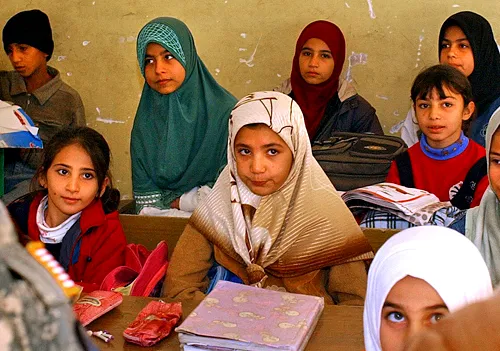
The successive developments taking place today in our world necessitate the continuous development of the philosophy of education, its curricula and teaching methods, with the consolidation of the values of justice, equality and freedom that include religious freedom, freedom of worship, opinion, thought and economic activity, and its dissemination in society as widely as possible. On the other hand, in order for the education system to play a positive role in society, it must have two wings with which it can fly everywhere: information and scientific knowledge that reflect the latest findings of the human mind in various fields of natural, engineering and social sciences; And a system of values and ways of thinking capable of protecting the principles of justice, freedom and equality, and directing the achievements of science and thought to serve all humanity.
On the other hand, community development needs four legs to stand on; The first is an education system capable of contributing to the development of traditional cultures and motivating them to adopt the values of freedom, justice, equality, and respect for the other and the other’s opinion; The second is scientific institutions capable of quoting, developing, accumulating, using and disseminating the sciences of the time in society. The third is to restructure the national economy on humanitarian grounds, away from the dictates of the World Bank and the International Monetary Fund and the philosophy of the free market. The fourth is bringing about deep social and cultural transformations in society that enable it to coexist with its era and accelerate steps towards integration with the world that surrounds it and affects its life. In order to enable these legs to walk the difficult path of development, the political framework surrounding them had to be able to protect them and respond to their entitlements by providing freedom, security and justice for all.
Every education and education system requires the contribution of the home, school, mosque and media institutions in the education process. And since most mothers and fathers in Arab countries suffer from traditional illiteracy, that is, the inability to read and write, or cultural illiteracy that includes weak or absent self-awareness, the role of the school and the media has become more important than ever, especially since the thought of the mosque does not believe in development, and the media policy does not seek to educate people as much as it seeks to falsify their awareness. The official media believes that its main task is to falsify the awareness of the masses and convince them that there is no better possibility than what is, and the commercial media believes that its primary task is to achieve profit, which usually requires misleading the general public, wasting their time, keeping them away from reading, and dragging them towards adopting a culture of consumption at the expense of a culture of production.
In addition to this, the process of developing the education system requires changing most of the curricula, rearranging many of them by transferring some subjects from one year to another, and adding new subjects that take into account the realities of the times and the requirements of coexistence with it in peace. This requires developing teaching methods, training teachers on the art of dealing with students during the various stages of study, and organizing activities for them outside the classroom with the aim of accustoming them to teamwork and voluntary work aimed at serving the community in general and needy people in particular, and training them to organize their free time in a way that enables them to use their time well, and to determine their academic, life and entertainment priorities.
On the other hand, the experiences of countries that preceded the Arabs for centuries on the path of development and renaissance indicate that co-education was one of the most important factors that contributed to raising the status of women in society and their equality with men in rights and duties. In addition, the co-educational system contributes to providing no less than a third of the current spending on education. This makes the state able to open more schools and provide them with the books, equipment, teachers and other things they need. We have to realize that the mother represents the foundational stage in the upbringing of every child and generation, and her words remain the most ingrained in the awareness of children and youth, which means that a woman who enjoys freedom and awareness raises a generation that cherishes itself, understands the meaning of freedom and education, and is keen to claim its rights, while the repressed and ignorant woman raises her children to be submissive, accept humiliation and remain silent about injustice, because their ability to understand the meaning of freedom and dignity is weak.
Education systems go through four basic stages in their life: the first is the stage of familiar wisdom, and this is based mainly on inherited beliefs, ideas, traditions and sayings, of which religious thought, myth and legend are an important part. The second is the stage of transmission and memorization, and this is based mainly on indoctrination, which makes the teacher’s word the last word that represents a fact that cannot be criticized or doubted. The third is the stage of criticism and analysis, and this is based on criticizing the ideas and information that are presented in the study classes, and analyzing the change and development that society and the world are going through by placing these matters in their historical framework. the fourth is the stage of creation and innovation; For the education system, this represents the stage of maturity, which enables it to create new ideas, theories and sciences, and to contribute consciously to the progress of society.
Whoever looks at Arab culture with a critical eye, a conscious mind, and a sound conscience will discover that it is a strange mixture of the Bedouin culture, which is characterized by roughness, tribal fanaticism, and the disdain for practicing manual and handicraft work in general, such as the professions of blacksmithing, carpentry, and maintenance. and the culture of traditional agriculture, which is characterized by simplicity, dependence, and the tendency to believe in luck, fortune, magic, superstition, and fate; cultural elements imported from abroad that encourage a culture of consumption at the expense of a culture of production; This is what causes these elements to distort the Arab heritage of the Bedouin and agricultural cultures alike. This means that the Arab culture in its current condition is no longer valid for any nation, nor for any time or place.
Based on the foregoing, the most important principles on which the philosophy of education is based, and the objectives it seeks to achieve, can be summarized in the following points:
respecting time and managing it in a way that makes it more enjoyable and productive;
Respect and devotion to work and to the institution in which a person works;
Accustom students to reading through all stages of study, including the university stage, provided that the aim of reading is to raise awareness in general, and to prevent any male or female student from being affected by the cultural illiteracy disability;
Raising students to believe that their basic duties are to serve themselves first, serve their communities second, and serve humanity third;
Instilling a culture of science and education in the hearts of students and society, based on the saying “Education begins in the cradle and ends in the grave”;
Respect for freedom of opinion, thought, religion and worship, and get used to dialogue away from controversy, with the aim of reaching common consensus and resolving differences through peaceful means;
Belief that the basic references that the conscious person refers to to judge different opinions and ideas, including history records and heritage contents, are science, reason, logic, the logic of things, and human experience throughout history.
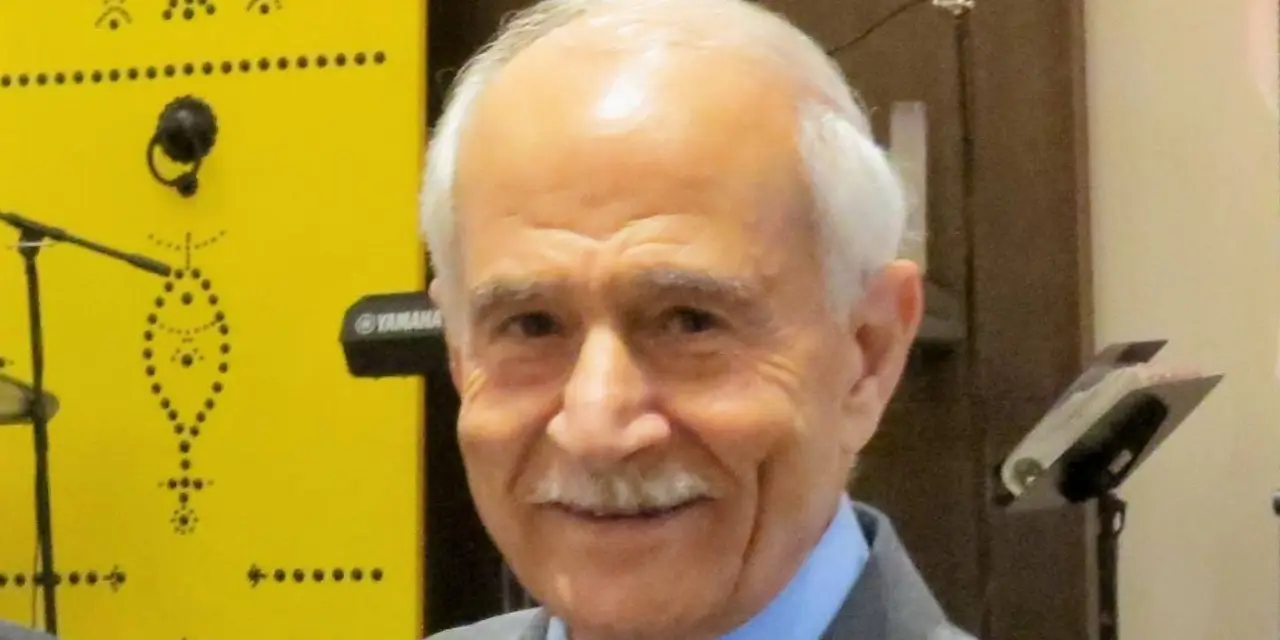
Professor Mohamed Abdel Aziz Rabie
www.yazour.com
The successive developments taking place today in our world necessitate the continuous development of the philosophy of education, its curricula and teaching methods, with the consolidation of the values of justice, equality and freedom that include religious freedom, freedom of worship, opinion, thought and economic activity, and its dissemination in society as widely as possible. On the other hand, in order for the education system to play a positive role in society, it must have two wings with which it can fly everywhere: information and scientific knowledge that reflect the latest findings of the human mind in various fields of natural, engineering and social sciences; And a system of values and ways of thinking capable of protecting the principles of justice, freedom and equality, and directing the achievements of science and thought to serve all humanity.
On the other hand, community development needs four legs to stand on; The first is an education system capable of contributing to the development of traditional cultures and motivating them to adopt the values of freedom, justice, equality, and respect for the other and the other’s opinion; The second is scientific institutions capable of quoting, developing, accumulating, using and disseminating the sciences of the time in society. The third is to restructure the national economy on humanitarian grounds, away from the dictates of the World Bank and the International Monetary Fund and the philosophy of the free market. The fourth is bringing about deep social and cultural transformations in society that enable it to coexist with its era and accelerate steps towards integration with the world that surrounds it and affects its life. In order to enable these legs to walk the difficult path of development, the political framework surrounding them had to be able to protect them and respond to their entitlements by providing freedom, security and justice for all.
Every education and education system requires the contribution of the home, school, mosque and media institutions in the education process. And since most mothers and fathers in Arab countries suffer from traditional illiteracy, that is, the inability to read and write, or cultural illiteracy that includes weak or absent self-awareness, the role of the school and the media has become more important than ever, especially since the thought of the mosque does not believe in development, and the media policy does not seek to educate people as much as it seeks to falsify their awareness. The official media believes that its main task is to falsify the awareness of the masses and convince them that there is no better possibility than what is, and the commercial media believes that its primary task is to achieve profit, which usually requires misleading the general public, wasting their time, keeping them away from reading, and dragging them towards adopting a culture of consumption at the expense of a culture of production.
In addition to this, the process of developing the education system requires changing most of the curricula, rearranging many of them by transferring some subjects from one year to another, and adding new subjects that take into account the realities of the times and the requirements of coexistence with it in peace. This requires developing teaching methods, training teachers on the art of dealing with students during the various stages of study, and organizing activities for them outside the classroom with the aim of accustoming them to teamwork and voluntary work aimed at serving the community in general and needy people in particular, and training them to organize their free time in a way that enables them to use their time well, and to determine their academic, life and entertainment priorities.
On the other hand, the experiences of countries that preceded the Arabs for centuries on the path of development and renaissance indicate that co-education was one of the most important factors that contributed to raising the status of women in society and their equality with men in rights and duties. In addition, the co-educational system contributes to providing no less than a third of the current spending on education. This makes the state able to open more schools and provide them with the books, equipment, teachers and other things they need. We have to realize that the mother represents the foundational stage in the upbringing of every child and generation, and her words remain the most ingrained in the awareness of children and youth, which means that a woman who enjoys freedom and awareness raises a generation that cherishes itself, understands the meaning of freedom and education, and is keen to claim its rights, while the repressed and ignorant woman raises her children to be submissive, accept humiliation and remain silent about injustice, because their ability to understand the meaning of freedom and dignity is weak.
Education systems go through four basic stages in their life: the first is the stage of familiar wisdom, and this is based mainly on inherited beliefs, ideas, traditions and sayings, of which religious thought, myth and legend are an important part. The second is the stage of transmission and memorization, and this is based mainly on indoctrination, which makes the teacher’s word the last word that represents a fact that cannot be criticized or doubted. The third is the stage of criticism and analysis, and this is based on criticizing the ideas and information that are presented in the study classes, and analyzing the change and development that society and the world are going through by placing these matters in their historical framework. the fourth is the stage of creation and innovation; For the education system, this represents the stage of maturity, which enables it to create new ideas, theories and sciences, and to contribute consciously to the progress of society.
Whoever looks at Arab culture with a critical eye, a conscious mind, and a sound conscience will discover that it is a strange mixture of the Bedouin culture, which is characterized by roughness, tribal fanaticism, and the disdain for practicing manual and handicraft work in general, such as the professions of blacksmithing, carpentry, and maintenance. and the culture of traditional agriculture, which is characterized by simplicity, dependence, and the tendency to believe in luck, fortune, magic, superstition, and fate; cultural elements imported from abroad that encourage a culture of consumption at the expense of a culture of production; This is what causes these elements to distort the Arab heritage of the Bedouin and agricultural cultures alike. This means that the Arab culture in its current condition is no longer valid for any nation, nor for any time or place.
Based on the foregoing, the most important principles on which the philosophy of education is based, and the objectives it seeks to achieve, can be summarized in the following points:
respecting time and managing it in a way that makes it more enjoyable and productive;
Respect and devotion to work and to the institution in which a person works;
Accustom students to reading through all stages of study, including the university stage, provided that the aim of reading is to raise awareness in general, and to prevent any male or female student from being affected by the cultural illiteracy disability;
Raising students to believe that their basic duties are to serve themselves first, serve their communities second, and serve humanity third;
Instilling a culture of science and education in the hearts of students and society, based on the saying “Education begins in the cradle and ends in the grave”;
Respect for freedom of opinion, thought, religion and worship, and get used to dialogue away from controversy, with the aim of reaching common consensus and resolving differences through peaceful means;
Belief that the basic references that the conscious person refers to to judge different opinions and ideas, including history records and heritage contents, are science, reason, logic, the logic of things, and human experience throughout history.
Professor Mohamed Abdel Aziz Rabie
www.yazour.com